
1930 · HOW PLUTO WAS DISCOVERED
Two images.A point that moved.A historic discovery.
Now the images come from SPHEREx, NASA’s infrared telescope. You get to compare them.
- Free
- No sign-up
- Real NASA data
- 5 targets to get you started
- SPHEREx · NASA/IPAC IRSA
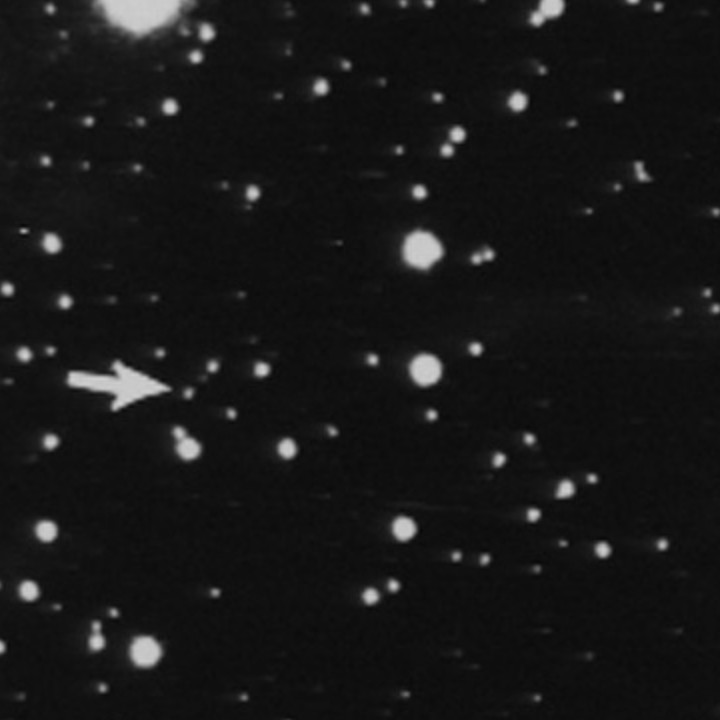
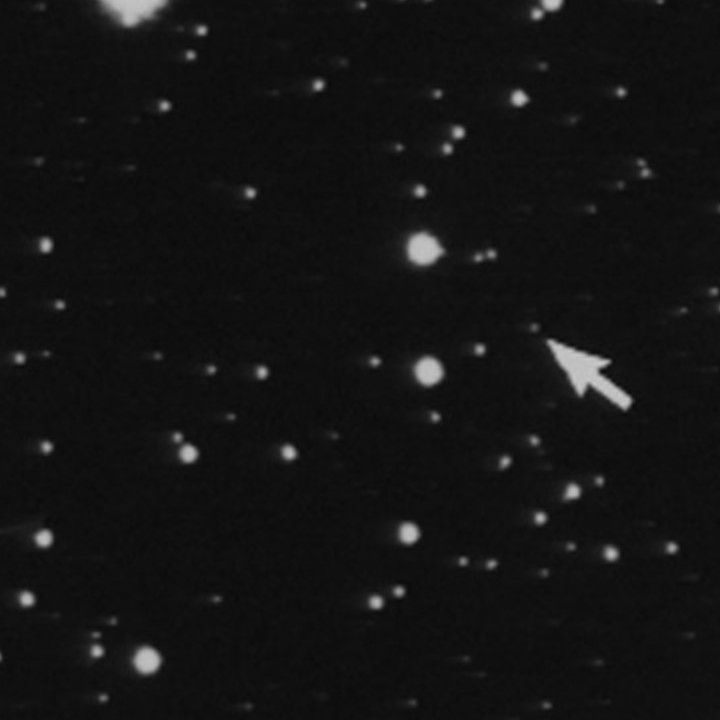
WHY THIS MATTERS
The sky our eyes can’t see
SPHEREx images the universe in infrared light. We make those observations available for anyone to explore.
See the “invisible”
Real infrared images reveal cool stars and dust that visible-light telescopes can miss.
Compare epochs
Switch between photos of the same patch of sky taken months apart and see what changed.
Guided examples
Start with the fastest-moving star in the sky or the coldest brown dwarf yet found.
Citizen science
Pluto was discovered by comparing photographs. You could find the next planet.
HOW IT WORKS
Three steps, no telescope needed
Choose a point in the sky. We retrieve the images from NASA’s archive and align them so you can compare them.
Choose a target
Pick a featured object or enter the coordinates of a point in the sky.
Compare the epochs
Press Play to switch between photos taken months apart.
Discover
Look for points that changed position or brightness between the photos.
FEATURED TARGETS
Start here
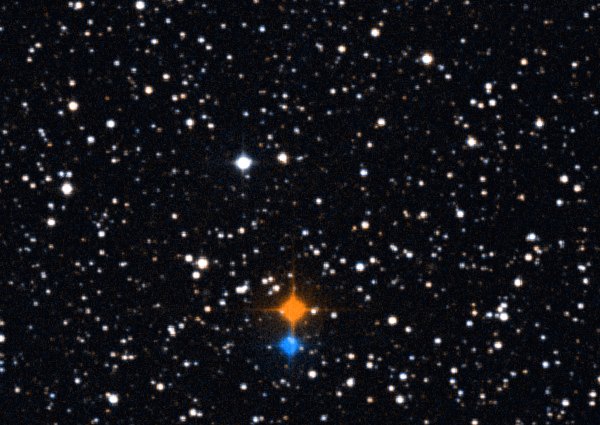
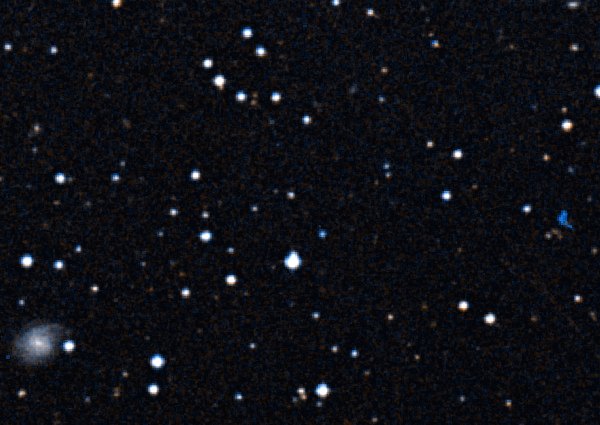
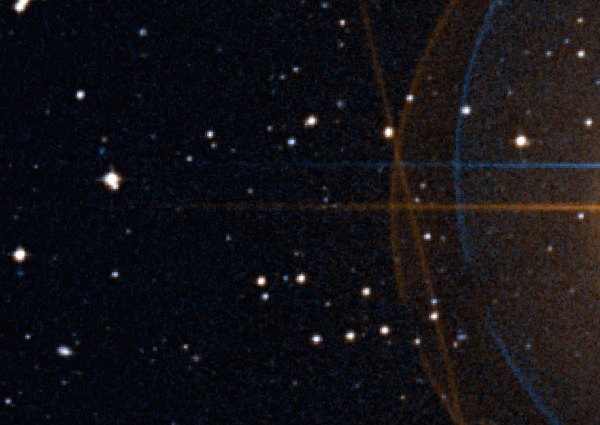
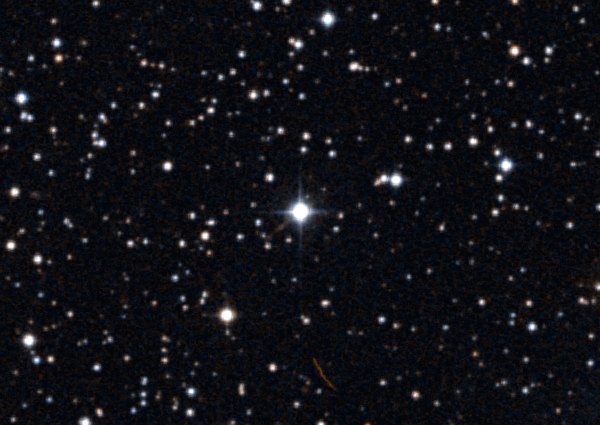
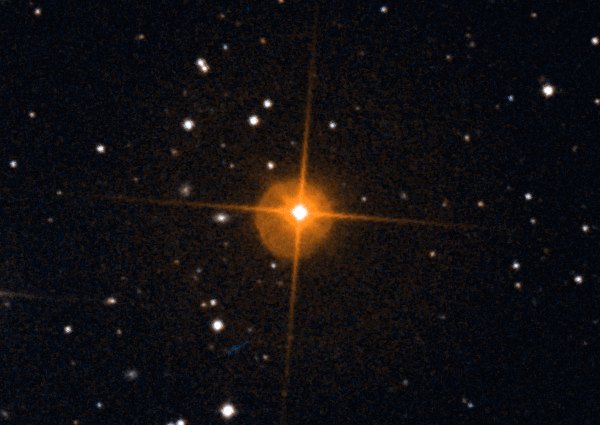
Explore the targets chosen for NASA’s challenge. Each illustrates a different change to look for.

WHERE THE DATA COMES FROM
From NASA’s archive
Real cutouts come from the public SPHEREx archive at NASA/IPAC IRSA, with observation dates, detectors, wavelengths, and links to the originals where available. The viewer labels simulated examples.
SPHEREx: NASA / JPL-Caltech / IPAC · IRSA DOI 10.26131/IRSA678 · 10.26131/IRSA662

ABOUT US
OxenTech
We’re a team from Aracaju, Sergipe, Brazil. Our name blends the northeastern Brazilian expression “oxente” with technology. The bull in our logo represents Taurus, a constellation visible in the skies of the Sertão.
We believe all you need to look up at the sky is curiosity, wherever you are.
Ready to look up?
Pick a star and see what changed.